
Celebrity Deepfake Scams: Why Familiar Faces Are Used in Fraud
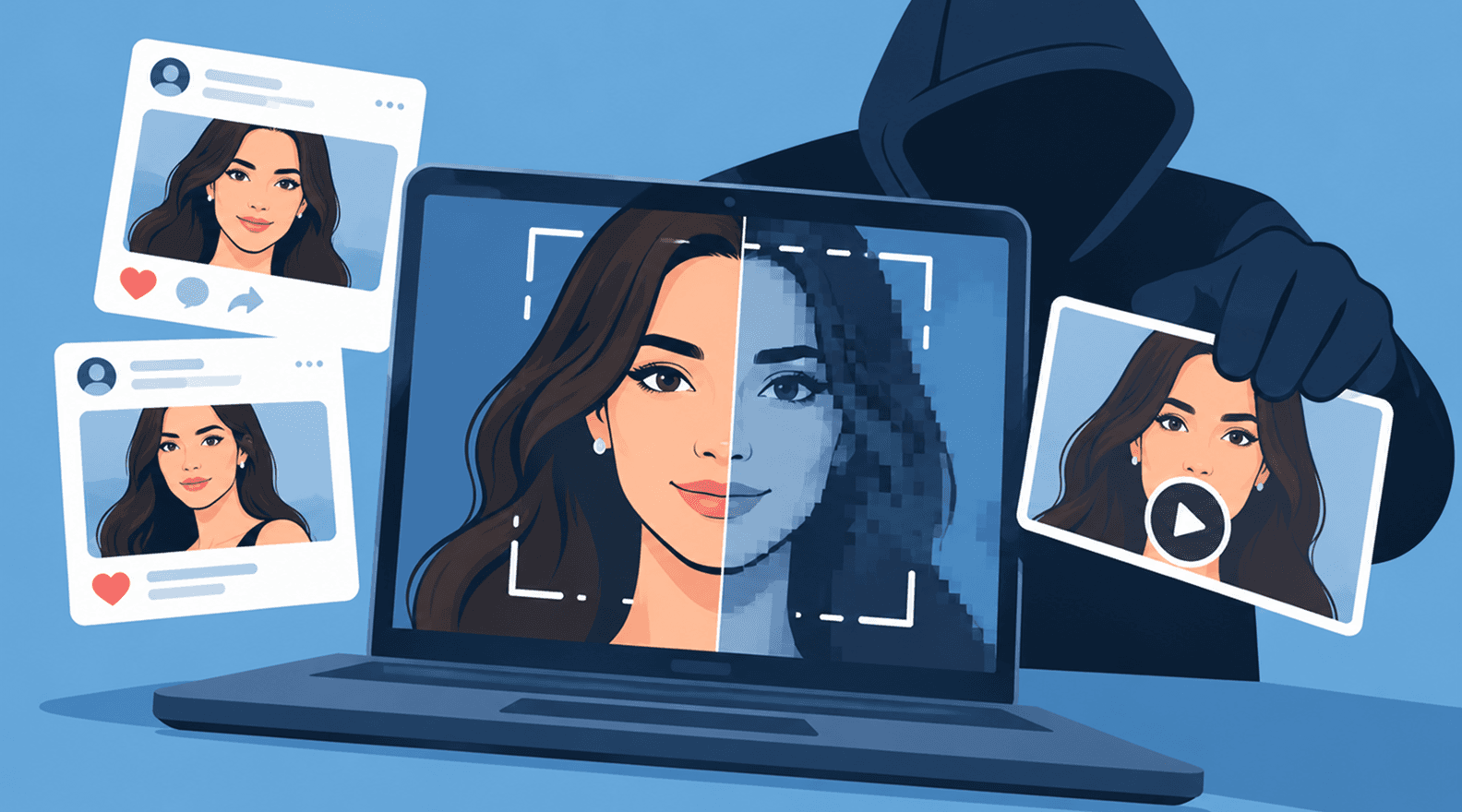
Learn how scammers use celebrity likeness, fake endorsements, and deepfake-style content to build trust and push victims toward scams.
A celebrity deepfake scam works because familiarity lowers suspicion. When people see a known face, they do not begin from zero. They begin from recognition. That recognition can create a false sense of trust before the person has even examined the claim.
Scammers understand this very well. They know that if a message, ad, or video appears to feature a celebrity, public figure, or recognizable media personality, many users will pay attention more quickly. The scam does not have to make perfect sense at first. It only has to borrow enough credibility to open the door.
Why likeness matters in fraud
A familiar face acts like a shortcut. It suggests status, legitimacy, influence, or authority. In an investment scam, that might mean fake endorsements. In a product scam, it might mean fake interviews or ads. In phishing or impersonation settings, it can mean fake videos or edited clips suggesting trust or urgency.
The fraud often becomes more effective when the person shown is not random, but widely recognized. The victim may assume that no one would risk using such a public identity unless the offer were genuine. That assumption can be dangerous.
How these scams usually appear
- fake social ads showing a celebrity praising an investment platform
- edited video clips that appear to show a known person speaking about a financial opportunity
- news-style landing pages using a celebrity image to imply endorsement
- AI-generated interviews, quotes, or captions attached to a familiar face
- impersonation of influencers or public figures through social profiles and direct messages
Sometimes the content is a sophisticated deepfake. Sometimes it is much simpler: a recycled image, a fake caption, a branded page, and a false quote. Either way, the purpose is the same. The scam borrows trust that it has not earned.
What makes people believe it
Many victims do not lose money because they failed to notice something obvious. They lose money because several small signals lined up at once. The face was familiar. The ad looked polished. The website looked news-like. The tone felt confident. The call to action sounded time-sensitive. Together, those elements can create a convincing impression.
That is why the case record should not only preserve what the victim clicked. It should also preserve what made the material believable in the moment.
What evidence to save
- screenshots of the ad or video
- the landing page URL
- the profile name or account that distributed it
- the messages or instructions that followed
- the payment path or platform used
- any later communication from account managers, agents, or support channels
- notes on what celebrity or known figure was being imitated
If the content disappears, that does not mean it has no value. Even partial screenshots, timestamps, and records of where the content appeared can still help reconstruct the pattern.
Why a structured report helps
Celebrity deepfake scams are often harder to explain than ordinary phishing because they involve a blend of visual trust, false authority, and later financial pressure. A victim may say, "I saw a famous person promoting it," but the actual case includes much more: the ad, the page, the follow-up messages, the account setup, the payment request, and the later refusal or silence.
Influere Investigations helps organize those layers into a structured report. The point is not to overdramatize the case, but to make the path of the deception easier to follow. When the record is organized clearly, it becomes easier to show how likeness and false endorsement were used to influence the decision.
That documentation can later support the customer when presenting the case to a financial institution for review or dispute. It does not guarantee recovery and it does not mean Influere directly handles fund claiming. The value is in the clarity of the record.
Final thought
A celebrity deepfake scam is rarely just about the fake image or video. It is about the trust that image creates and the decisions that follow from it. That is why the most useful response is not only to say, "The video was fake." It is to document how the full chain worked.