Fake Amazon and Netflix Texts: How SMS Phishing Hooks Victims
Learn how SMS phishing messages imitate familiar brands, create urgency, and push victims toward fake pages, payments, or stolen details.
SMS phishing works because text messages feel immediate. They arrive in a space people use every day, usually in short form, often while distracted. That makes a fake Amazon alert, Netflix billing warning, or delivery problem message easier to believe than many people expect.
The scam often begins with something small: a failed payment notice, a subscription issue, an account verification request, or a package problem. These are ordinary digital annoyances. That normality is exactly what makes them useful to scammers.
Why familiar brands are used
Brand imitation helps reduce resistance. When a message looks like it comes from Amazon, Netflix, a bank, or a shipping service, the target already has a reference point. They may use that service regularly. They may already expect an email, a text, or a payment reminder. The scam does not need to invent a new situation. It only needs to step inside a believable one.
How the hook works
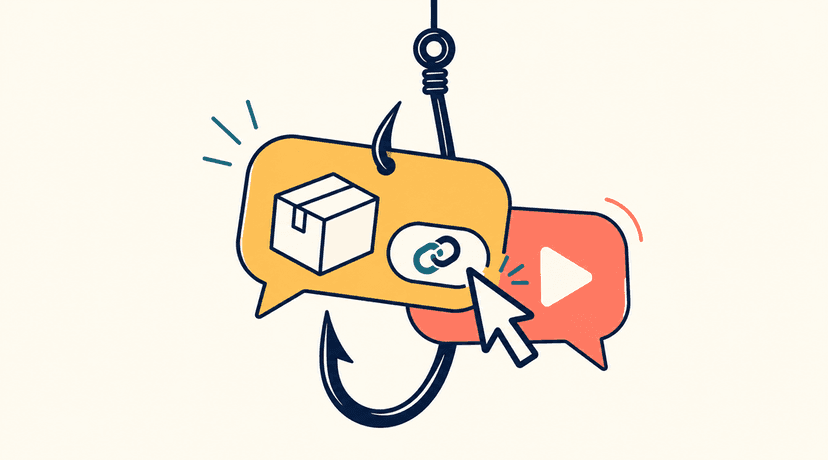
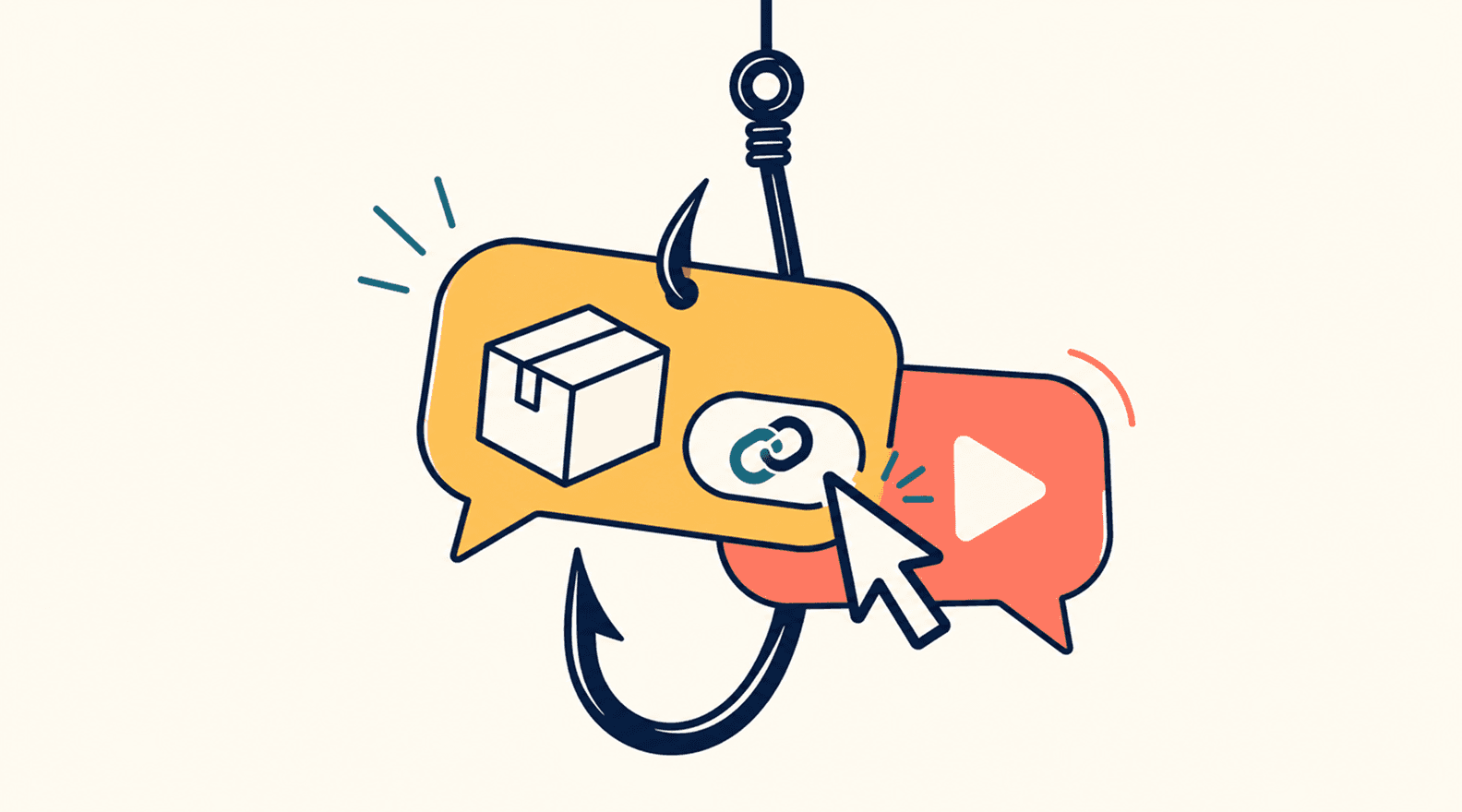
Most SMS phishing messages use one or more of these tactics: urgency, inconvenience, and routine branding. The target is pushed to solve a small problem quickly. Click here to restore access. Update your billing. Confirm delivery. Verify your account. Resolve a failed payment.
The action seems minor. That is part of the design.
What happens after the click
Once the victim clicks, the scam may lead to a fake login page, a fake payment form, a fake support flow, or a follow-up call or chat. Sometimes the goal is stolen credentials. Sometimes it is card details. Sometimes it is to push the target into a broader support or refund scam.
The original SMS is only the entry point. The later steps are where the real damage can happen.
What to preserve if it turns into a loss
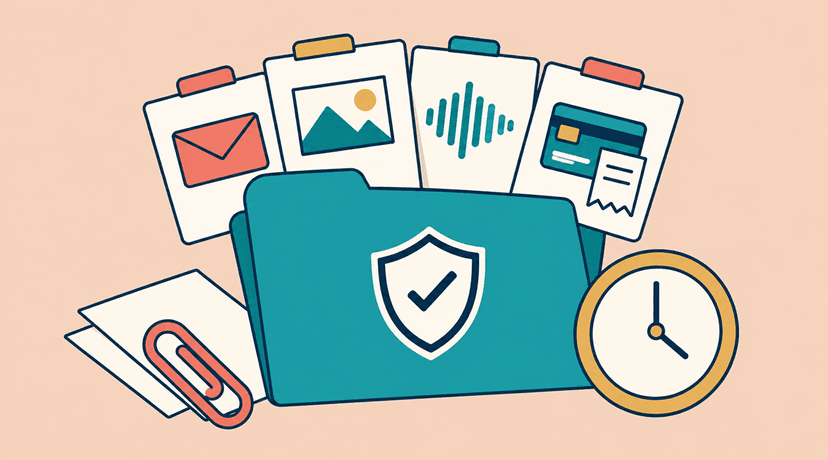
- the original SMS message
- the phone number or sender identifier
- the link as shown in the message
- screenshots of the fake page
- login prompts, payment prompts, or error screens
- follow-up calls, texts, or emails
- payment confirmations or unauthorized transaction details
- notes on what brand the message was pretending to be
If the scam page disappears later, those saved materials may still be enough to reconstruct the path.
Why the report angle matters
A smishing case often looks simple from the outside: a user clicked a fake text. But that summary leaves out the key details. Which brand was copied? What urgency was used? What page appeared? What information was requested? What happened next?
Influere Investigations helps organize those details into a structured report. That report can map the trigger message, the fake service identity, the interaction path, the payment or compromise stage, and the resulting record. The point is to make the case easier to understand and present later.
It is important to be clear about limits. Influere does not guarantee recovery and does not directly handle fund claiming. The service is centered on documentation, organization, and a clearer report that can later support the customer when approaching a financial institution.
Why SMS phishing remains effective
Many people still think they would spot a fake text instantly. But the combination of speed, brand familiarity, and small-friction urgency makes these scams effective. A text is short by nature. People are used to acting on short messages. That is why even simple scams can still succeed.
Final thought
A fake Amazon or Netflix text is rarely only about one message. It is about the path that opens after the message is trusted. If that path leads to loss, the best next step is to preserve it clearly.