How AI Is Being Used to Create More Convincing Phishing Attacks
Understand how AI helps scammers improve phishing messages, fake authority, and personalized deception across email, SMS, and chat.
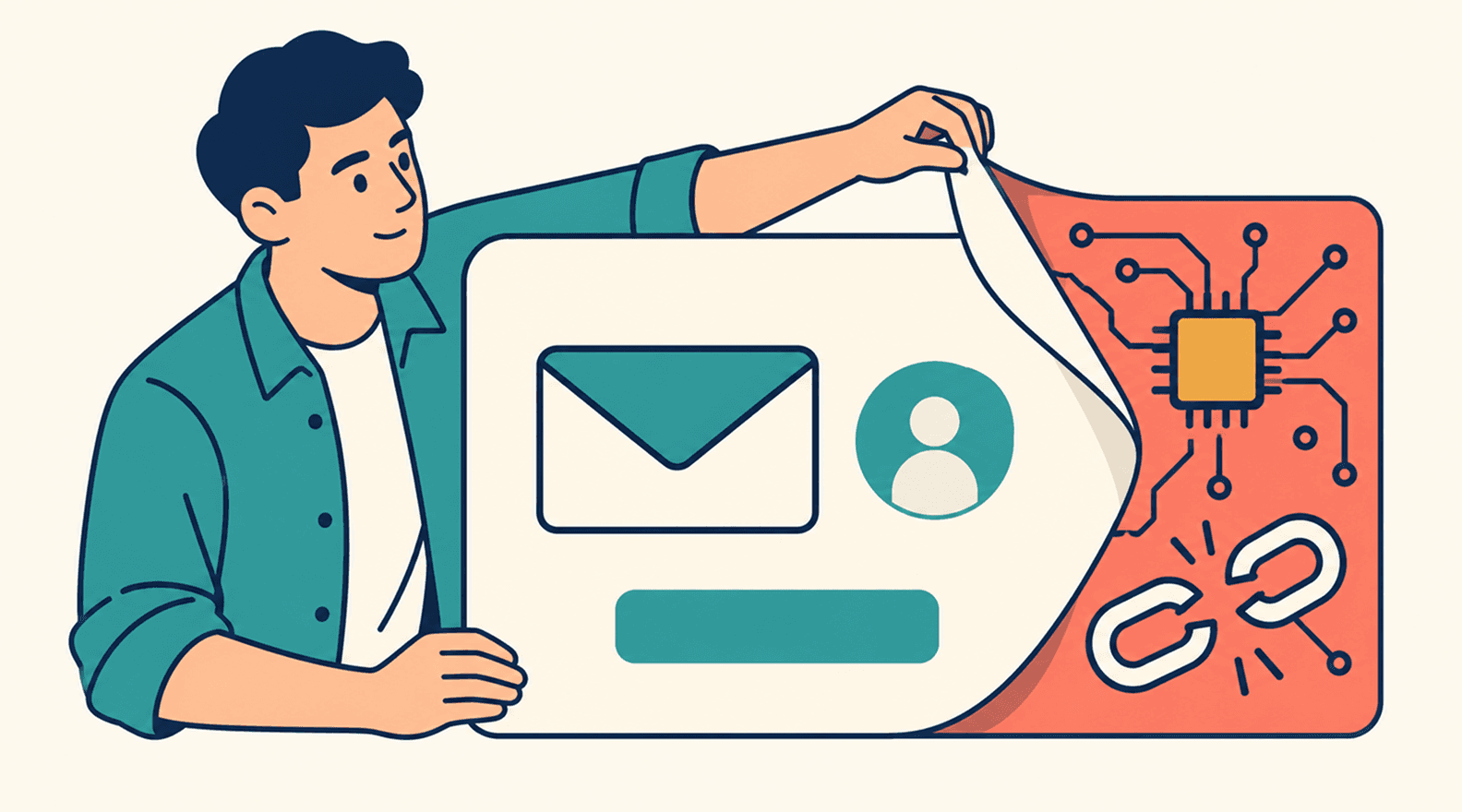
Phishing has always been about imitation. The scam tries to look like something ordinary: a login request, a customer service message, a billing alert, a security warning, or a delivery notice. AI does not change that basic structure. What it changes is the quality and speed of the imitation.
Instead of relying on badly written templates, scammers can now generate polished messages that sound fluent, credible, and responsive. That matters because many users still imagine phishing as something obvious. In reality, modern phishing can look calm, branded, and surprisingly normal.
How AI improves phishing
AI helps scammers in several ways. It can improve grammar and tone. It can generate multiple variations of the same message. It can personalize wording for different audiences. It can imitate customer support style. It can even help create follow-up dialogue when a target replies.
That means the scam no longer has to rely on one poor-quality message. It can evolve in conversation and adapt to hesitation.
Common phishing themes now enhanced by AI
- account security warnings
- billing or payment issues
- subscription renewal notices
- delivery and shipping problems
- bank verification requests
- support impersonation through email, chat, or text
- fake urgent notices tied to common brands or services
What makes these scams effective is not only the wording, but the context. They arrive in places where people already expect routine digital interruptions.
Why people still click
Victims often click because the message feels plausible in the moment. They may already use the brand named in the message. They may already be expecting a package, a payment confirmation, or a subscription update. The scam succeeds not because the target is careless, but because the message fits into a believable daily pattern.
AI strengthens this by reducing obvious mistakes and making the message sound more like something a real company would send.
What evidence should be preserved
When phishing leads to a payment loss or account compromise, it is important to preserve more than the final transaction. Save the original message, the sender details, the link, screenshots of the phishing page, timestamps, error messages, login prompts, follow-up messages, and any payment confirmations or account changes that followed.
The earlier stages matter because they show how the phishing path was built.
Why the sequence matters
A phishing case often looks simple from the outside: the user clicked a link. But the actual path may be longer. The message created urgency. The page copied a brand. The login prompt felt routine. The follow-up message reassured the victim. Later, a payment or data compromise followed.
If those steps are not documented in order, the case may look flatter than it really was. That is why a timeline is useful.
How Influere's report can help
Influere Investigations helps organize scam-related records into a structured report. In a phishing case, that means documenting the trigger message, the fake identity signals, the user actions, the platform or page involved, the payment or compromise stage, and the aftermath.
The purpose is not to promise a specific recovery result. It is to create a clearer case file that the customer can later use when approaching a financial institution or reviewer. In AI-enhanced phishing, that kind of clarity can be especially useful because the scam often appears more polished than victims expect.
Final thought
AI phishing does not work because machines are magical. It works because it lets ordinary scams sound more credible, more personal, and more routine. That is why good documentation should not stop at the final loss. It should capture the whole path.