AI Scams Explained: How Fraudsters Use Artificial Intelligence and How to Recognize the Signs
Discover how AI scams work, including deepfakes, voice cloning, fake customer support, and AI-written phishing, plus practical ways to recognize the signs.
Artificial intelligence is not the scam. But it has become one of the most useful tools in the scammer's toolkit. What used to require time, language skill, design talent, and repeated trial and error can now be produced quickly and at scale. A scammer can write better messages, imitate familiar voices, generate synthetic images, polish fake websites, and adapt scripts for different audiences faster than before.
That shift matters because many people still imagine online fraud as sloppy and obvious. They expect strange grammar, awkward graphics, and easy-to-spot fake identities. In reality, AI makes deception more polished. It can remove the rough edges that used to expose low-quality scams. It can also create content that feels tailored to the person receiving it.
What an AI scam really means
An AI scam is not a single type of fraud. It is a scam that uses AI somewhere in the deception process. Sometimes AI is used to generate a persuasive email. Sometimes it is used to clone a voice or create a fake profile photo. Sometimes it is used to build fake reviews, fake chat responses, or fake videos that appear to show a trusted person speaking.
The important point is that AI often improves believability, speed, and scale. It helps criminals look more organized than they really are.
The most common ways scammers use AI
One of the most common uses is AI-written phishing and impersonation messaging. A scammer can generate emails, support replies, or investment-style outreach that sounds calm, professional, and specific. Older phishing messages often contained obvious language mistakes. AI reduces those mistakes and can mimic formal business tone more convincingly.
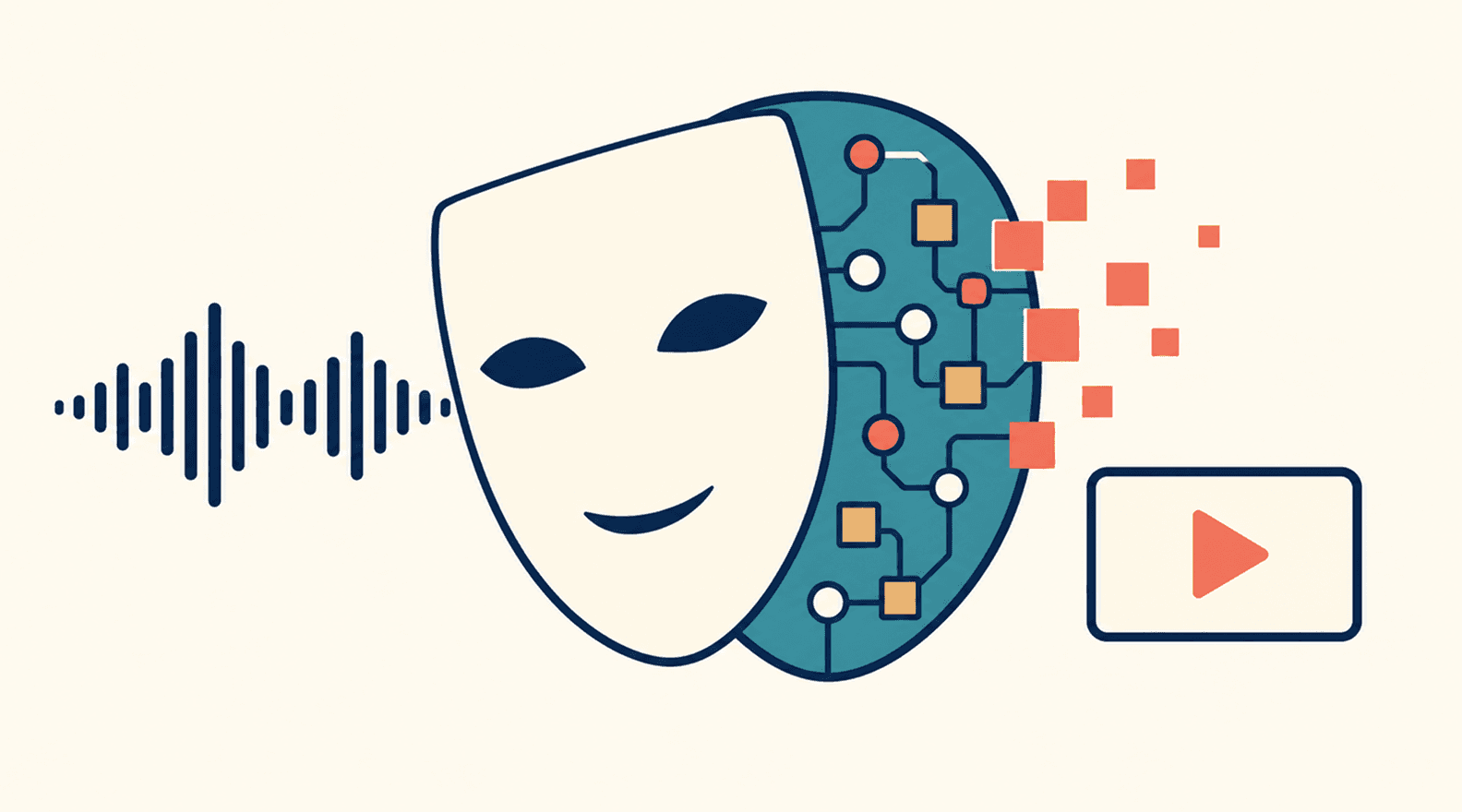
Another fast-growing use is voice cloning. A short audio sample taken from social media, video content, or public appearances may be enough to create a synthetic voice that resembles a real person. This is especially dangerous when the scam involves urgency. A family member may believe they are hearing a loved one in distress. An employee may think they are receiving an urgent voice instruction from a manager.
Deepfake video is another major concern. These videos do not need to be perfect to be effective. They only need to be convincing enough during a quick glance. Scammers use this format in fake endorsements, fake executive messages, fake support clips, and false identity verification attempts.
AI is also used behind the scenes on scam websites. Product pages, testimonials, legal copy, FAQs, and support chats can all be generated rapidly. This allows scammers to build websites that appear complete and professional even when they have no legitimate operation behind them.
Why AI scams feel more believable
The strongest scams do not rely on technology alone. They combine AI with old-fashioned social engineering. The message still uses urgency. The request still pushes a target off-platform. The scam still tries to isolate the victim from outside feedback. AI simply makes the overall package smoother.
That is why many people are caught off guard. They think, "This looked too professional to be fake." But professionalism is now cheap to imitate. A clean interface, branded email language, realistic face, or polished support chat no longer proves legitimacy.
Common AI scam scenarios
A common scenario begins with a message from a bank, service provider, or technical support team. The wording is fluent, the design looks good, and the explanation sounds plausible. The message includes a phone number, a login page, or a verification request. The user follows the prompt because nothing in the communication feels obviously wrong.
Another scenario begins on social media. Someone sees an ad featuring a public figure, a company representative, or a supposed satisfied customer. The clip looks real enough, especially on a small screen. The viewer clicks through to a page that continues the same story with fake testimonials and a guided registration process.
There are also relationship-based scams. These use AI-generated images, highly polished messages, or even synthetic voice notes to strengthen a false identity. A scammer who once struggled to sustain a believable persona can now do so much more easily.
How to recognize the signs of an AI-enabled scam
The first thing to remember is that the signs may be behavioral rather than technical. People often focus only on whether a voice sounds real or a video looks real. But the strongest clue is often the pressure pattern surrounding the content.
Be cautious when a message creates urgency, secrecy, emotional pressure, or unusual payment demands. Be cautious when someone resists normal verification steps. Be cautious when a person or company wants to move you quickly into private channels like WhatsApp, Telegram, or text.
Also look for inconsistency. Does the email domain match the brand? Does the website have a real company footprint? Does the person avoid live interaction while sending lots of polished media? Does the "support" process feel oddly scripted? Does the message ask for payment in a way the claimed organization normally would not?
With audio and video specifically, watch for slight timing mismatches, strange cadence, unusual facial movement, background artifacts, or responses that ignore the actual question asked. Even when the media is not perfect, the surrounding behavior often exposes the fraud.
What to do before responding
Slow the interaction down. That alone breaks many scam scripts. Verify through an independent channel, not the one provided in the message. Contact the organization using a known official website. Call a verified number you found yourself. If the message claims to come from someone you know, reach out through an established and separate method.
Avoid clicking links just because the content appears well written or branded. Good grammar is no longer a sign of legitimacy. The same is true for convincing profile photos, support chats, and promotional videos.
What evidence matters in AI-related scams
When AI is involved, the content may disappear quickly or be replaced. Save the original messages, screenshots, URLs, account handles, timestamps, ad creative, audio files, video files, and payment information. If the scam involved a cloned voice or suspicious video, preserve the media exactly as received.
It is also useful to note how the interaction began, which platform was used, how the scammer tried to build trust, and whether the content pointed to a domain, wallet, support contact, or other identifier.
Where investigative review can add value
AI scams can be confusing because the victim is often left wondering which parts were fake and which parts were merely copied from somewhere real. Was the profile synthetic? Was the voice cloned? Was the ad tied to a known scam funnel? Was the website connected to other suspicious domains? Was the identity consistent across platforms?
A structured review can help preserve evidence, compare the scam materials against known patterns, identify public-facing infrastructure, and create a clearer chronology of what happened online. This is often useful when the scam felt unusually realistic or when multiple channels were involved.
Final thoughts
AI has changed how scams look, sound, and scale. It has not changed their core logic. They still depend on urgency, borrowed trust, emotional manipulation, and weakened verification. The difference is that the packaging has improved.
That means people need to update their instincts. A polished message is not proof. A realistic voice is not proof. A convincing video is not proof. The safest response is to verify independently and document early whenever something feels rushed, overly persuasive, or unusually difficult to confirm.