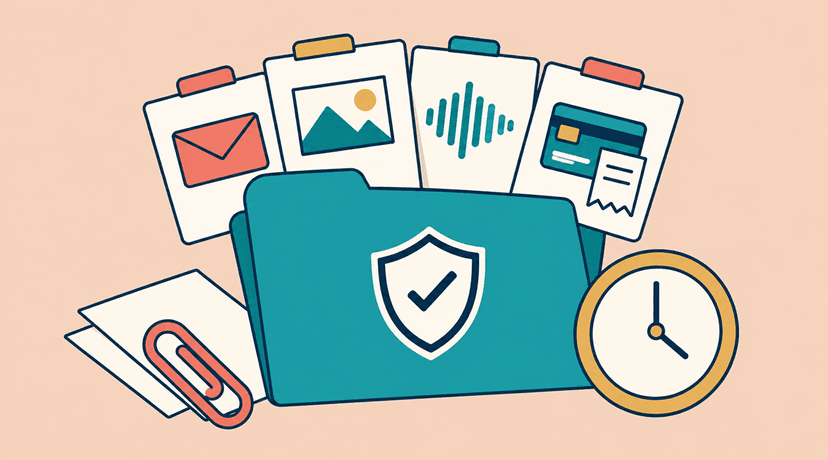
How to Document an Online Scam Properly

Learn how to document an online scam properly using timelines, screenshots, payment records, URLs, and communication logs so your case is clearer and easier to review.
Realizing that you may have been scammed online usually creates the same reaction: people start saving everything at once. Screenshots go into one folder, transaction records into another, emails stay in the inbox, and the timeline remains only in memory. That may feel productive in the moment, but later it often becomes difficult to explain the case clearly.
Good scam documentation is not just about keeping evidence. It is about making the evidence understandable. A clear record helps show what happened, when it happened, who was involved, and which file supports each part of the story.
Why documentation matters
Online scam cases rarely happen in one place. A person may first be contacted on social media, then moved into WhatsApp or Telegram, then asked to sign in to a platform, then instructed to send money through a bank transfer, card payment, or crypto wallet. When those pieces are not organized, the case can look far less clear than it really is.
That is why documentation matters. A reviewer does not know your case the way you do. They need to be able to follow the record step by step.
Start with the timeline first
The strongest place to begin is a timeline. Before trying to sort every screenshot, write down the sequence in plain language.
Include the first contact, the main promises or instructions you received, each payment request, every transfer you made, and the point where the relationship changed or access became difficult.
A useful timeline usually contains:
- first contact date or estimated date
- platform where communication started
- names, usernames, emails, or wallet addresses used
- each payment or transfer
- major promises, explanations, or pressure tactics
- the date communication stopped, changed, or became obstructive
That single step often makes the rest of the case much easier to organize.
Save screenshots with context
Screenshots are valuable, but only when they show enough context. A cropped image of one message may look dramatic, yet prove very little if the sender, date, or surrounding conversation is missing.
Try to preserve full-screen captures where possible. Save profile names, account pages, URLs in the browser bar, error messages, and withdrawal screens exactly as they appeared. If a dashboard may disappear, capture the full page rather than only one small section.
Keep the payment trail separate and clear
Payment evidence deserves its own section because it often becomes one of the most important parts of the file. The more clearly you preserve the record, the easier it is to connect each payment to the explanation that was given at the time.
Useful payment records include:
- bank transfer confirmations
- card transaction references
- exchange receipts
- wallet addresses
- TXIDs or transaction hashes
- dates, amounts, and currencies
Do not depend only on what is currently visible in an app. Save or download formal confirmations where possible.
Preserve links and identifiers early
Websites, social media accounts, landing pages, and email addresses can disappear quickly. That is why it helps to record the digital footprint early, before anything changes.
Save full URLs, profile links, email addresses, phone numbers, usernames, company names used, and any login portals connected to the case.
Separate facts from assumptions
One thing that weakens a file is mixing verified information with guesses. A better approach is to split the case into three layers: what the records clearly show, what the other side claimed, and what you suspect but cannot yet prove.
That distinction helps the file stay credible and easier to assess.
When a structured report becomes useful
Many people do save a lot of material, yet still struggle to present it clearly. A structured report can help arrange the evidence into a timeline, evidence index, and supporting exhibits so the case is easier to review. The purpose is not to add drama. It is to add clarity.
Final thoughts
The best scam evidence pack is not the biggest one. It is the one that is readable, dated, and organized. If you think you may be dealing with an online scam, start preserving the trail while it still exists.