How Scammers Use Celebrity Images and Endorsements to Trick People Online
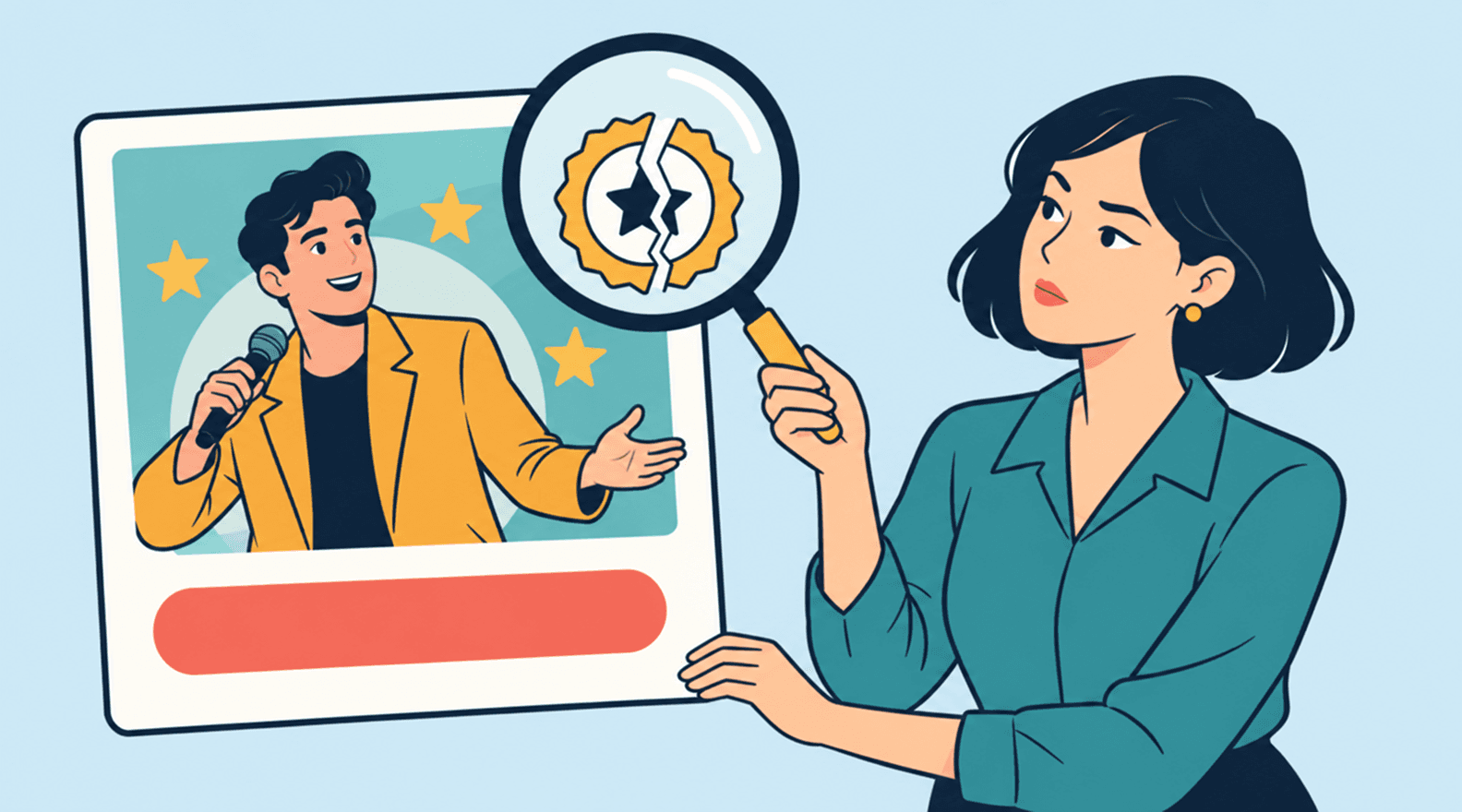
Learn how celebrity impersonation scams work, from fake endorsements to deepfake videos, and how to spot warning signs before trusting an online ad or message.
Celebrity scams are effective for one simple reason: familiarity lowers skepticism. When people see a famous actor, athlete, business figure, musician, or influencer attached to a product, platform, or message, they tend to assume someone has already checked the details. Scammers understand that instinct very well. Instead of building trust from scratch, they borrow it from a public figure and place that borrowed credibility inside an ad, article, profile, or direct message.
That is why celebrity impersonation scams have become so common across social media, messaging platforms, fake news-style websites, and polished landing pages. In some cases, the scam is as basic as a fake Facebook page or a copied Instagram profile. In other cases, it is more sophisticated: a fabricated interview, a manipulated video clip, an AI-generated voice note, or a realistic article made to look like a legitimate media outlet. The goal is always the same. The scammer wants the target to think, "This must be real. Why would this famous person be associated with something fake?"
What a celebrity scam usually looks like
A celebrity scam does not always begin with a direct request for money. It often begins with an ad, a post, or a story designed to create emotional certainty. A person scrolling quickly sees a familiar face and a confident message. It might claim that a celebrity has discovered a new investment platform, supports a health product, is giving away money, is contacting fans privately, or is helping people access an exclusive opportunity. The language is often urgent and polished. It may say the offer is being hidden by the media, available for a limited time, or open only to a small number of people.
Many of these scams now use visual material that looks surprisingly convincing. A still image may be real, but the quote beneath it is fake. A video may appear to show a celebrity speaking, but the audio is cloned or manipulated. An article may use the design language of a recognizable news site while having nothing to do with that publication. In some cases, the target clicks through to a landing page that displays fabricated reviews, fake balances, or staged screenshots to create momentum.
The most common forms of celebrity impersonation scams
One common format is the fake endorsement ad. This usually appears on social media, in sponsored placements, or on low-quality websites. The ad claims that a celebrity endorses a platform, app, supplement, or service. Sometimes the scam includes a fake interview with a headline suggesting the celebrity "revealed the secret" to wealth, health, or exclusive access.
Another format is direct impersonation. A scammer creates a fake celebrity account and starts messaging followers. The tone may feel intimate or flattering. The scammer may claim to be running a private fan club, a donation drive, or a one-time opportunity. Victims are often encouraged to move the conversation off-platform to WhatsApp, Telegram, or email.
A third format involves romance and emotional manipulation. Here the scammer pretends to be a celebrity or public figure and gradually forms a connection with the target. This can stretch over weeks or months. The requests often begin with gift cards, crypto, "verification" costs, or financial help related to travel, legal issues, or private meetings.
There is also the fake giveaway or fake access scam. This may promise VIP passes, backstage access, prize claims, or premium merchandise. The victim is told to pay a fee, verify identity, or provide personal details to secure the opportunity. After the payment or data transfer, the scammer disappears or returns with another excuse.
Why these scams are more convincing now
The biggest change is not just that scammers can use celebrity images. It is that they can now create an entire credibility environment around them. AI tools make it easier to generate persuasive copy, remove spelling mistakes, mimic official brand language, and create fake content at scale. That means the scam is no longer just a bad message with a stolen photo. It can be a full funnel: ad, landing page, fake testimonials, private chat, and follow-up messages that feel tailored to the target.
This is where many people get trapped. They do not fall for "a silly scam." They fall for a carefully layered deception that looks as if a trusted public figure, platform, and website all point in the same direction.
Warning signs that a celebrity endorsement may be fake
The first red flag is urgency. Scam ads often push the user to act immediately, register now, or deposit quickly before the opportunity disappears. Real endorsements do not usually rely on panic.
The second red flag is secrecy or exclusivity language. Claims like "the media doesn't want you to know this," "only 50 people can join," or "private link only" are classic manipulation tools.
Another warning sign is a mismatch between the celebrity and the offer. If a well-known public figure suddenly appears to endorse a random trading platform, obscure health product, or private fan payment scheme, skepticism is justified.
Poor website details matter too. Check the domain, the contact page, the legal pages, and the brand consistency. Scam pages often look polished at first glance but weak on verification. The same is true of social accounts with strange handles, limited posting history, copied comments, or suspicious direct messages.
Finally, pay close attention to payment instructions. A request for crypto, wire transfers, gift cards, or fees to "unlock" a benefit is a serious danger sign.
How to verify before you trust
Start with the obvious question: is the endorsement visible on the celebrity's verified and established channels? Not a random repost. Not a clipped video in an ad. Their actual official account or website. If the only trace of the endorsement exists in ads, gossip-style articles, or suspicious pages, that should change the way you view it.
Next, look up the website or platform independently rather than through the ad. Search for the company name, the domain, complaints, independent coverage, and whether the same claims appear elsewhere. If the page uses manipulated news branding, stock images, or exaggerated testimonials, that is worth documenting.
Also check how the site handles contact information and identity. Real businesses generally provide verifiable information and consistent branding. Scam funnels often avoid transparent ownership while pushing the user toward immediate contact with a "manager," "advisor," or "support representative."
What to document if you suspect a celebrity scam
If you believe a scam used a celebrity's image, likeness, or voice to build trust, save everything before it disappears. Capture screenshots of the ad, the profile, the landing page, the messages, the usernames, and the domain. Save timestamps, URLs, transaction records, wallet addresses if relevant, email headers, and any files that were sent to you.
This evidence matters because many scam operations change names, rotate domains, and delete content quickly. Patterns often become visible only when all the pieces are reviewed together.
Where an investigation can help
In celebrity-linked scams, people are often confused about what exactly happened. Was the ad fake? Was the platform connected to the message? Was the profile copied from elsewhere? Was the domain recently created? Were the same materials reused across multiple scam pages? These are the kinds of questions that structured digital review can help clarify.
An investigative approach may help map the scheme, preserve evidence, identify the visible infrastructure behind the fraud, and create a clearer record of what was presented online. That can be valuable whether someone is trying to understand what happened, prepare documentation, or assess how broad the deception was.
Final thoughts
Celebrity scams work because they borrow attention, trust, and recognition. The face is familiar, the message feels polished, and the platform looks professional. But familiarity is not proof. In many online scams, the celebrity is not part of the scheme at all. Their image is simply the bait.
The safest habit is to slow down whenever a public figure appears to be endorsing a high-stakes product, urgent investment, fan-only payment request, or private opportunity. When the story is designed to make you act before you verify, that alone is a reason to stop.