
How to Tell When an Investment or Trading Website Is Built to Look Legitimate but Isn't
Learn the warning signs of fake investment and trading websites, including copied legal pages, fake dashboards, pressure tactics, and verification steps before trusting a platform.
Some scam websites fail because they look suspicious immediately. The more dangerous ones do the opposite. They look clean, modern, and highly organized. They use familiar financial language, polished dashboards, legal-sounding pages, and responsive account managers. They present just enough detail to make the visitor believe there is a real business behind the screen.
That is what makes fake investment and trading platforms so effective. The deception is not built only on a promise of profit. It is built on presentation. The platform wants to appear serious, technical, and established before the user has verified anything important.
What a fake investment platform is designed to do
A fraudulent platform usually tries to move the target through a sequence. First comes discovery, often through social media, messaging apps, referral groups, fake endorsements, or direct outreach. Then comes trust-building: a sleek website, a friendly representative, testimonials, charts, dashboards, or a smooth onboarding process.
After that, the platform introduces momentum. The target may see apparent gains, positive account balances, or encouraging support messages. At that stage, the operation is trying to normalize the environment. The user begins to think they are dealing with a real service.
The real problem often appears later, when the user tries to verify, withdraw, pause, or question the process. Suddenly there are fees, taxes, compliance issues, account restrictions, identity hurdles, or pressure to deposit more before any movement is allowed.
Why these sites can look legitimate at first glance
Modern scam sites benefit from cheap design tools, copied templates, AI-written content, and stock financial imagery. A site does not need deep infrastructure to look impressive. It only needs the visible parts: homepage, signup flow, dashboard, fake charts, copied legal pages, and perhaps some fabricated press or testimonial content.
This is why appearance alone is a poor test. A smooth interface is not evidence of legitimacy. Many fake platforms invest more in front-end design than some real companies do.
Key warning signs of a fake investment or trading site
One major warning sign is guaranteed returns or low-risk language. Real markets involve uncertainty. A platform that promises predictable profit, easy earnings, or unusual consistency should be treated with caution.
Another sign is weak transparency. If it is difficult to confirm who operates the site, where the business is based, how to contact them reliably, or what legal entity stands behind the platform, that matters.
Look closely at the legal pages. Scam sites often include terms, privacy policies, or compliance language that appear formal but feel generic, copied, contradictory, or disconnected from the actual service.
Pay attention to the domain as well. A domain that appears recent, slightly off-brand, or disconnected from the story being told deserves scrutiny. The same is true when the support email, website branding, and supposed company identity do not line up cleanly.
The dashboard can be part of the deception
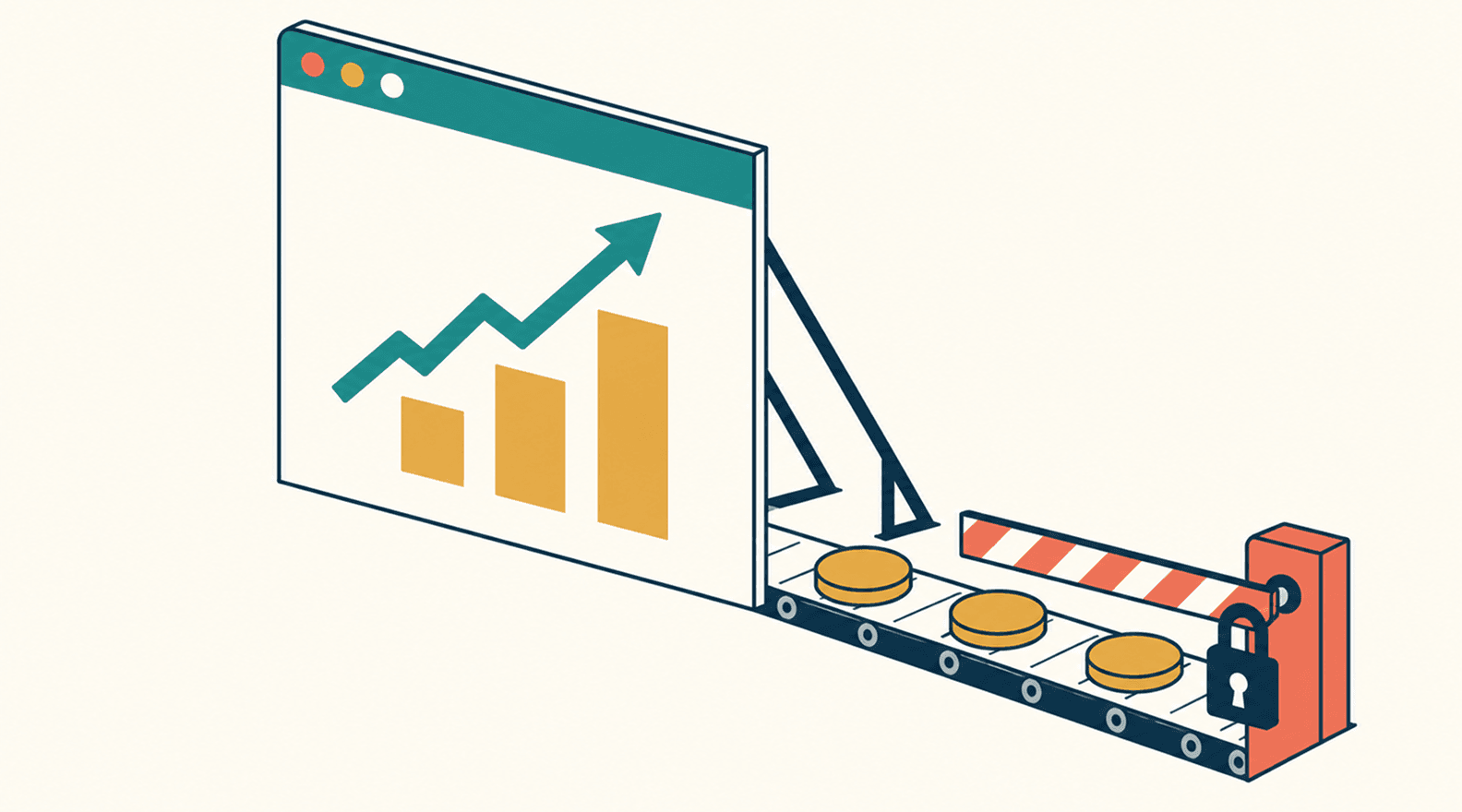
People often assume that because a dashboard updates in real time, it must connect to real activity. That is not necessarily true. A fake platform can display invented balances, fabricated gains, staged transaction history, and simulated account movement.
In many scams, the dashboard is not evidence of real trading. It is part of the performance. Its job is to keep the user emotionally invested and reduce the chance that they will question what is happening.
Pressure patterns reveal a lot
A legitimate service should tolerate verification. A scam often cannot. When users ask direct questions, request documentation, or try to withdraw, the tone may change. Support becomes forceful. The user is told they must act today, pay one more fee, complete one more step, or avoid speaking to others.
That shift is significant. Many fraudulent platforms become most revealing not during the signup phase, but when the victim tries to slow things down.
How to check a platform more carefully
Start by researching the website independently, not through the link that brought you there. Search the brand, the domain, the company name, the representatives, and the contact details. Look for a consistent and verifiable digital footprint.
Review whether the company's stated legal and operational identity is coherent. Do the branding, domain, email addresses, and support channels all align? Are there signs of copied content, fake news-style pages, or stock executive profiles?
Look for evidence of real accountability, not just polished design. Can the business be traced in a meaningful way? Are the claims measurable and consistent? Does support answer verification questions directly, or does it redirect you back into sales language?
Watch for the "one more payment" trap
A classic pattern in fake platform scams is the moving obstacle. At first the issue is a deposit. Then it is a verification fee. Then a compliance fee. Then tax clearance. Then a wallet synchronization step. Then a release code. Each time, the victim is told they are close to resolution.
This pattern is important because it transforms the scam from one decision into a sequence of escalating commitments. The victim is encouraged to protect earlier losses by making another payment.
What to document if you suspect the site is fraudulent
Save the full domain, screenshots of every page you used, account balances shown, transaction history, support chats, emails, phone numbers, contracts, wallet addresses, and any payment requests. Record the language used around withdrawals, compliance steps, or urgent deadlines.
These details can help clarify whether the platform relied on fake metrics, false identity signals, cloned content, or coordinated pressure tactics.
Where investigative review can be useful
When someone has interacted with a suspicious platform, they are often left with uncertainty. Was the site always fake? Was the dashboard fabricated? Was the account manager using a real identity? Was the domain connected to other scam activity? Was the apparent growth in the account only part of the interface?
A structured digital review may help preserve the evidence, identify visible online infrastructure, compare public signals across domains and accounts, and create a clearer record of how the platform presented itself.
Final thoughts
A fraudulent investment or trading site does not need to look crude. In fact, the most dangerous ones look convincing. They understand that modern trust is often visual and procedural. A clean interface, a responsive support agent, and a sophisticated dashboard can create the illusion of legitimacy long before the underlying facts are checked.
That is why the best protection is not aesthetic judgment. It is verification, documentation, and skepticism toward any platform that becomes more urgent and less transparent the moment you start asking serious questions.