Social Media Impersonation Scams: How Fake Accounts and Fake Support Pages Trick Victims
Learn how social media impersonation scams work, including fake brand pages, fake support accounts, and copycat profiles, plus the warning signs to watch for.
Social media has made it easier than ever for people and brands to build visibility. It has also made it easier for scammers to imitate that visibility. A fake page no longer needs to look perfect to be effective. It only needs to look legitimate long enough to redirect trust, start a conversation, and move a target into a more controlled channel.
That is why social media impersonation scams continue to spread across platforms. Some fake accounts pretend to be official support. Some imitate a brand, executive, influencer, journalist, or investigator. Others pose as satisfied customers, account specialists, or recovery-style helpers approaching people who are already under pressure. The account may look close enough to the real thing to fool someone during a quick search or a stressful moment.
What social media impersonation scams look like in practice
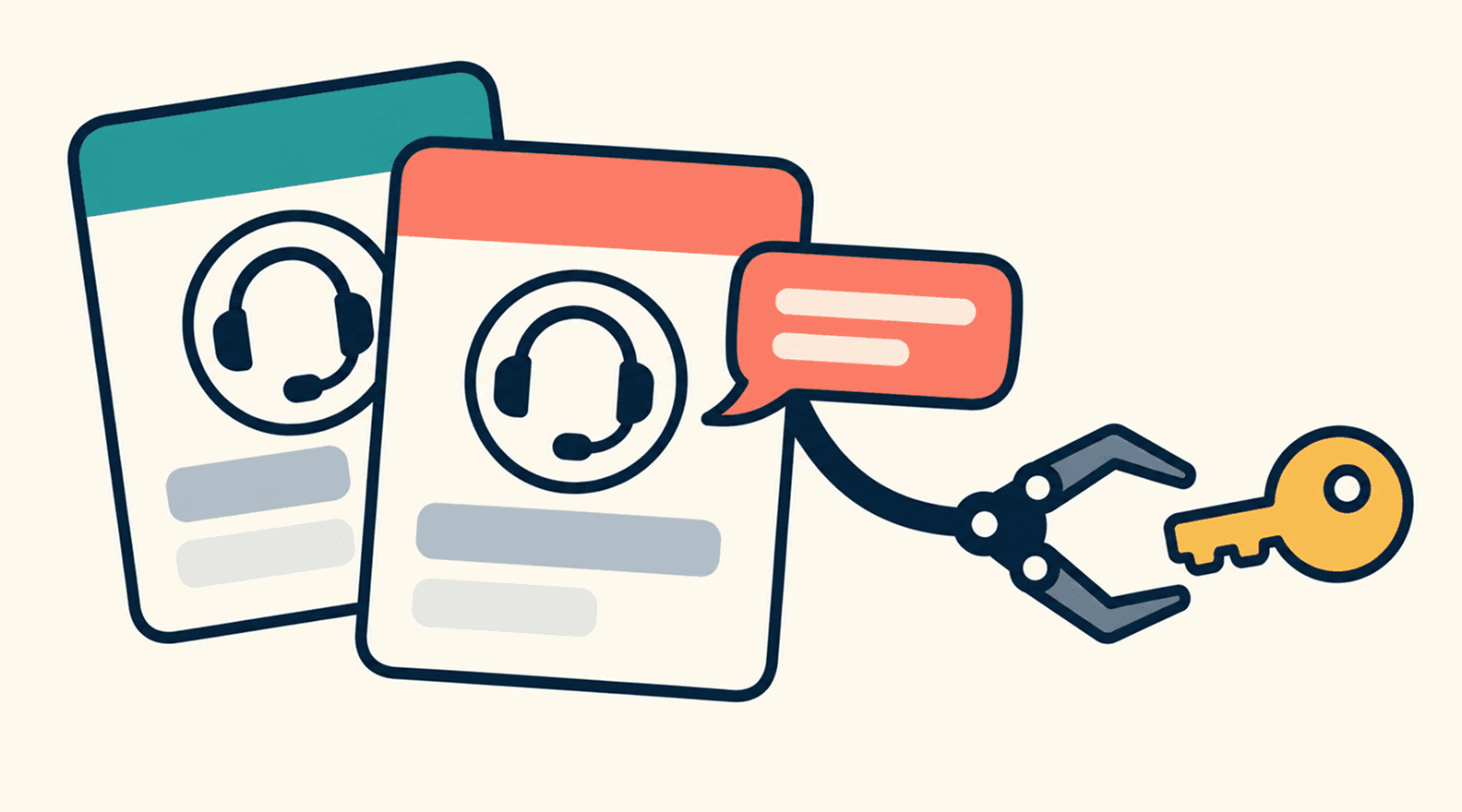
A common version starts when a person posts publicly about a problem. Maybe they mention a locked account, a payment issue, a trading platform dispute, or a suspicious transaction. Within minutes or hours, a fake support account appears in the comments or direct messages. It says it can help. The profile may copy the logo, use similar colors, or mimic the tone of the official brand.
Another version uses cloned brand pages. The scammer copies the profile image, banner, and bio language of a real company, then changes the username slightly. To someone glancing quickly at a search result, the difference may not be obvious. The fake page then promotes a false offer, directs users to an imitation website, or encourages private contact.
There are also impersonation scams built around authority. A fake legal, compliance, or security-themed profile may present itself as an investigator, platform specialist, or trusted intermediary. The purpose is to create the impression that someone knowledgeable is stepping in to guide the victim.
Why these scams are effective
The power of social media impersonation lies in timing and familiarity. People already use social platforms to contact brands, complain publicly, verify businesses, and follow updates. That means the scammer is entering an existing behavior pattern rather than inventing a new one.
If the victim is upset, rushed, embarrassed, or trying to solve a problem quickly, they may focus on appearance rather than verification. A familiar logo, a polished bio, and a responsive direct message can be enough to lower skepticism.
Scammers also benefit from platform speed. Pages can be created quickly, renamed, copied, deleted, and replaced. The same scam funnel can appear under multiple usernames with only minor changes.
Common warning signs of a fake social media account
The first warning sign is username variation. The page may look official, but the handle includes extra letters, added punctuation, swapped characters, or a word like "help," "service," or "support" attached to the brand.
The second sign is unusual contact behavior. Official brands do not typically ask users to verify sensitive details in a direct message, move immediately to WhatsApp or Telegram, or send payment to resolve a support issue.
Posting history matters too. A fake page often has very recent activity, recycled posts, limited engagement quality, or content copied from the real account. Comments may look generic, repetitive, or obviously staged.
Another warning sign is the off-platform push. The fake account often tries to move the user away from the public channel into a private environment where oversight is lower and manipulation is easier.
Fake support scams are especially dangerous
Support impersonation is dangerous because the victim often believes they are already in a problem-solving process. They may think they are fixing an account issue, verifying a transaction, or reporting suspicious activity. That mindset makes them more likely to comply with instructions.
The scammer uses the language of urgency and procedure. They may ask for login codes, wallet details, verification fees, screen sharing, identity documents, or test transfers. The requests may be framed as normal troubleshooting steps.
How to verify a social media profile safely
Do not trust the first account that appears. Go to the company's official website and follow the social links from there, not the other way around. Compare the handle carefully. Review the page history, posting pattern, contact details, and linked website.
If someone claiming to be support contacts you first, stop and verify independently. Do not rely on the phone number, email address, or link that the account sends you. Use a trusted source you found yourself.
Public comment behavior is also useful. Some fake pages reply aggressively, instantly, and repeatedly to lure users into private chat. Real organizations generally have more consistent support processes and less improvisational messaging.
What to document when you suspect impersonation
Save screenshots of the profile, handle, messages, linked websites, comments, and any payment requests. Record the timing of the interaction and note whether the account changed names or disappeared. If a website or wallet address is involved, preserve that information as well.
These details matter because impersonation scams often rely on rapidly shifting identifiers. A fake account may be taken down, reappear under a near-identical name, or redirect to another page.
Where an investigation can help
Social media impersonation schemes often leave a scattered trail. There may be copycat accounts, linked domains, reused creative assets, and messages across multiple platforms. A structured review may help preserve the visible evidence, compare patterns across accounts, identify public-facing infrastructure, and create a clearer record of how the impersonation was presented.
That can be useful when the user needs a better understanding of the scheme, wants to document the deception carefully, or suspects the impersonation campaign is wider than one account.
Final thoughts
Fake accounts work because they insert themselves into places people already trust: brand pages, comments, support threads, and direct messages. But visual similarity is not proof of legitimacy. In many cases, the scam succeeds not because the profile is perfect, but because the interaction happens when the target is distracted or trying to solve a problem quickly.
The best defense is to slow down, verify independently, and treat any off-platform pressure from "support" with skepticism.